
The presence of tartar on the teeth is one of the most common oral health problems. Often barely noticeable at first, it can gradually contribute to bad breath, gum inflammation, and make it harder to maintain good oral hygiene.
If you're looking for how to remove tartar from teeth without going to the dentist, you're not alone. Every month, thousands of people look for an effective solution to get clean teeth while avoiding excessive plaque buildup.
But is it really possible to remove tartar at home? Which methods work? Do natural remedies really work? And above all, how can you keep tartar from coming back?
In this complete guide, discover the best recommended practices to prevent tartar buildup, the mistakes to avoid, and the solutions that can effectively complement your daily oral hygiene routine.
📖 Table of contents
- What is tartar?
- Why is tartar dangerous?
- How does tartar form?
- Mistakes to absolutely avoid
- The best methods to limit tartar at home
- Are natural solutions really effective?
- How often should tartar be removed?
- When should you see a dentist?
- Frequently asked questions
What is tartar?
The dental tartar, also called dental calculus, is plaque that has gradually mineralized under the action of the minerals naturally present in saliva.
Every day, an invisible bacterial film builds up on the teeth. This thin layer, called plaque, forms just a few hours after brushing.
When this plaque is not removed effectively, it gradually hardens until it becomes tartar. Once mineralized, it sticks firmly to the tooth surface and generally cannot be removed with a simple toothbrush.
Tartar appears mainly :
- behind the lower incisors;
- around the molars;
- between the teeth;
- along the gumline;
- near the salivary glands.
The longer it stays in place, the harder it becomes to remove.
Why is tartar dangerous?
Tartar is not just an aesthetic problem.
Its rough surface easily traps bacteria, food debris, and plaque, encouraging buildup over time.
A significant amount of tartar can contribute to :
- persistent bad breath;
- red or swollen gums;
- bleeding while brushing;
- gum inflammation (gingivitis);
- a higher risk of periodontal disease in people who are predisposed.
As tartar accumulates, daily cleaning also becomes less effective, creating a vicious cycle where bacteria settle in more easily.
How does tartar form?
Contrary to popular belief, tartar does not develop in a single day.
Its formation depends on several factors.
The main ones are :
- insufficient brushing;
- skipping interdental cleaning;
- a diet high in sugar;
- smoking;
- dry mouth;
- certain natural characteristics of saliva.
Even with excellent hygiene, some people naturally produce more tartar than others.
That is why prevention remains the best strategy.
Mistakes to absolutely avoid
Online, many methods claim to remove tartar quickly.
Unfortunately, some are ineffective, while others can be harmful to the teeth or gums.
Using metal objects
Scraping tartar with a knife, needle, paper clip, or any other metal object can cause :
- gum injuries;
- scratches on the enamel;
- an increased risk of infection.
Using highly abrasive products
Charcoal, certain abrasive powders, or homemade mixtures used too often can speed up enamel wear.
Using vinegar or lemon juice undiluted
Highly acidic products can gradually weaken enamel when used regularly.
Neglecting plaque
The best treatment for tartar is still prevention.
Removing plaque every day helps significantly limit tartar buildup.
The best methods to limit tartar at home
Even though tartar that has already formed often requires professional scaling, several habits can effectively limit its appearance.
Using an electric toothbrush
Electric toothbrushes make thousands of regular movements that help remove plaque daily.
Combined with a good brushing technique, they can improve cleaning for many people.
To optimize results :
- brush your teeth for two minutes;
- clean all surfaces of each tooth;
- replace the brush head regularly.
👉 Also discover our collection of DentalPro Smile™ electric toothbrushes to complete your daily routine
Completing brushing with a water flosser
The water flosser cleans hard-to-reach areas with a pressurized stream of water.
It is especially useful for people with :
- an orthodontic appliance;
- implants;
- crowns;
- bridges.
It helps remove food debris and some plaque, helping prevent tartar formation.
However, it does not remove tartar already firmly attached to the teeth.
👉 Discover our DentalPro Smile™ water flosser
Using an ultrasonic scaler with caution
Ultrasonic scalers intended for consumers can help remove some surface discoloration or light deposits.
However, they do not replace scaling performed by a dentist.
Their use should always follow the manufacturer's recommendations to protect the teeth and gum tissues.
👉 Discover our selection of DentalPro Smile™ ultrasonic scaler
Clean between the teeth every day
Dental floss or interdental brushes help remove plaque from areas the toothbrush can't reach.
A few minutes a day can make a real difference in preventing tartar.
Finish with a suitable mouthwash
Mouthwash is a useful addition when used as part of a complete routine.
It never replaces brushing but can help maintain good oral hygiene.
Do natural solutions really work?
Sodium bicarbonate is often presented as a miracle solution.
In reality, it may help remove some surface stains when used occasionally, but it cannot remove tartar that has already mineralized.
As for white vinegar, lemon, or other highly acidic products, they are generally not recommended for regular use on teeth because of their erosive effect on enamel.
To date, no natural method has been shown to replace professional scaling when tartar is already firmly established.
How often should tartar be removed?
The best approach is above all to prevent it from forming.
An effective routine generally includes :
- brushing twice a day with a fluoride toothpaste;
- daily interdental cleaning;
- using a water flosser if needed;
- regular checkups with a dentist.
The frequency of professional scaling depends on each person's needs.
When should you see a dentist?
Make an appointment if you notice :
- frequent bleeding gums;
- persistent bad breath;
- a brown or yellowish buildup that is hard to remove;
- tooth mobility;
- pain or swelling of the gums.
A professional can provide an accurate diagnosis and suggest the most suitable treatment.
Frequently asked questions
How do you remove hard tartar?
Heavily mineralized tartar sticks firmly to the teeth. Its removal usually requires scaling performed by a dentist.
Does baking soda work?
Baking soda may help reduce some surface stains but does not remove established tartar.
Is vinegar dangerous?
Used regularly on the teeth, vinegar can promote enamel erosion. This practice is therefore not recommended.
Can you remove tartar yourself?
Good daily hygiene mainly helps prevent tartar buildup. Once tartar has formed, professional scaling is usually necessary.
Does a water flosser remove tartar?
No. It helps remove plaque and food debris, but does not remove tartar that has already mineralized.
Does tartar cause bad breath?
Yes. By encouraging bacteria to build up, tartar can contribute to persistent bad breath.
How much does scaling cost?
The price depends on the country, the professional consulted, and the coverage terms. Check directly with your dental office or health insurance provider.
What is the best electric toothbrush?
The best toothbrush is above all the one that is used correctly, twice a day, with the right technique. Electric models can improve plaque removal for many people.
In summary
Tartar is the result of plaque mineralization. The sooner it is addressed, the easier it is to maintain good oral health.
Even though professional scaling is usually necessary once tartar has formed, adopting a complete daily routine helps effectively limit its buildup.
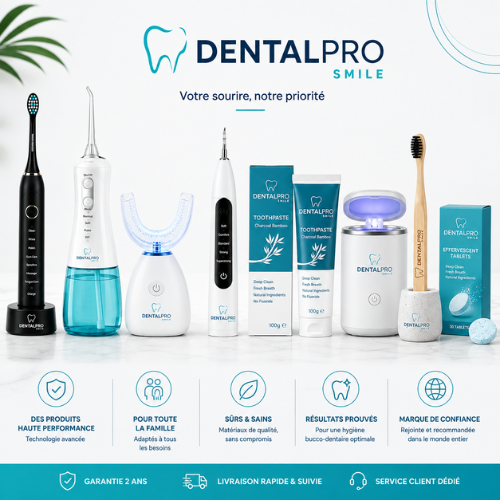
At DentalPro Smile™, we offer a range of electric toothbrushes, water flossers, ultrasonic scalers, and accessories designed to complement your oral hygiene routine. Used alongside your dentist's recommendations, this equipment can help you maintain clean teeth, healthy gums, and a fresh feeling every day.


Leave a comment
This site is protected by hCaptcha and the hCaptcha Privacy Policy and Terms of Service apply.