
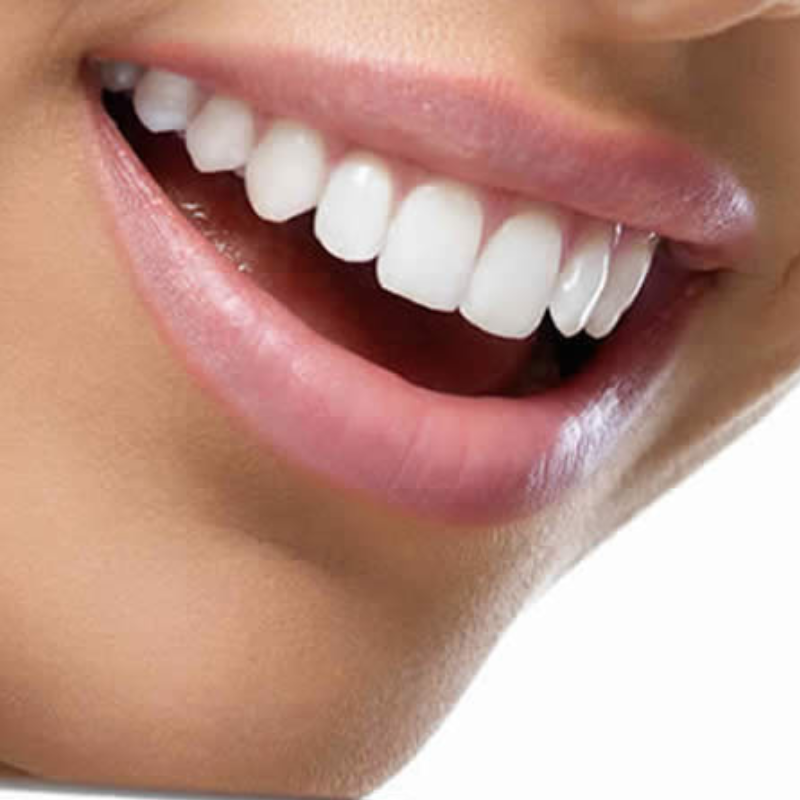
Teeth whitening is now one of the most in-demand cosmetic dental treatments. It aims to improve the shade of the teeth by acting either on their internal color or on surface stains. However, not all methods are equal in terms of effectiveness, safety, and long-term results.
What is teeth whitening?
Teeth whitening encompasses all techniques that make the tooth shade lighter. We distinguish two main categories of processes :
1. Chemical bleaching
It acts on the internal tooth color (email and dentin).
2. Mechanical Whitening
It is aimed solely at remove surface stains, without changing the tooth’s intrinsic color.
The main bleaching methods used
Among the most commonly practiced techniques are:
-
At-home whitening using custom gutters prescribed by a dentist, with clinical follow-up.
-
The whitening carried out at the dental chair.
-
An at-home chair + gutter combo.
-
The use of products `` (toothpastes, strips, gels), whose effectiveness remains limited.
Chemical whitening: how it works and effectiveness
Chemical bleaching is based on the application of a gel based on hydrogen peroxide or carbamide peroxide.
These oxidizing agents penetrate the enamel and dentin in order to degrade the pigments responsible for the coloration teeth.
Factors influencing the results:
-
The concentration of peroxide.
-
The contact time with the tooth.
-
The initial tooth shade.
-
Compliance with the clinical protocol.
Side effects and potential risks of chemical bleaching
Even when properly supervised, chemical bleaching can cause certain temporary side effects:
-
Tooth sensitivity, linked to the action of peroxide.
-
Irritation of the gums or throat, often due to excess product or a poorly fitted tray.
-
Joint discomfort during prolonged wear of aligners.
➡️ In case of persistent symptoms, a visit to the dentist is essential.
Contraindications to chemical whitening
Chemical bleaching is not recommended for:
-
Pregnant or breastfeeding women.
-
People with untreated deep caries.
-
Patients with severe oral pathologies (e.g., cancers of the oral cavity).
Mechanical whitening: what can you really expect?
Mechanical whitening only allows to remove surface stains caused by coffee, tea, tobacco, or certain foods.
He does not change the internal color of the teeth.
Examples of mechanical methods:
-
Twice-daily brushing with a soft brush and a fluoride toothpaste.
-
Toothpastes containing abrasive agents (e.g., bicarbonate).
-
Chewing sugar-free gum after meals to stimulate saliva.
-
Using mouthwash to reduce dental plaque.
So-called “natural” whitening toothpastes: caution advised
Many so-called natural toothpastes do not contain fluoride, yet essential for preventing cavities.
Additionally, their abrasiveness is not always controlled, which can lead to:
-
Premature enamel wear.
-
Increased tooth sensitivity.
➡️ Their use should always be discussed with a dentist.
Activated charcoal products : limited effectiveness and real risks
Toothpastes or powders with activated charcoal can remove some surface stains thanks to their abrasiveness. However:
-
They can temporarily tint the gums.
-
Some do not contain fluoride.
-
Charcoal can neutralize the action of fluoride, thus reducing protection against cavities.
Why consult ` before a whitening?
Premium-quality solutions:
-
A quick whitening.
-
Quality processing.
-
More suitable methods.
-
A secure tracking.
⚠️ For patients with restorations (veneers, crowns, composites), some may need to be replaced after whitening to harmonize the shade.
Key points to remember
-
Whitening toothpastes and mouthwashes do not lighten the internal color of the teeth.
-
Yellowish teeth generally respond better to whitening than grayish teeth.
-
Whitening is safe only when supervised by a dentist.
Conclusion
Teeth whitening can deliver satisfying aesthetic results, provided you choose a suitable, supervised method based on a prior clinical assessment.
Viewed ` is essential to ensure efficiency, safety, and lasting results.


Leave a comment
This site is protected by hCaptcha and the hCaptcha Privacy Policy and Terms of Service apply.